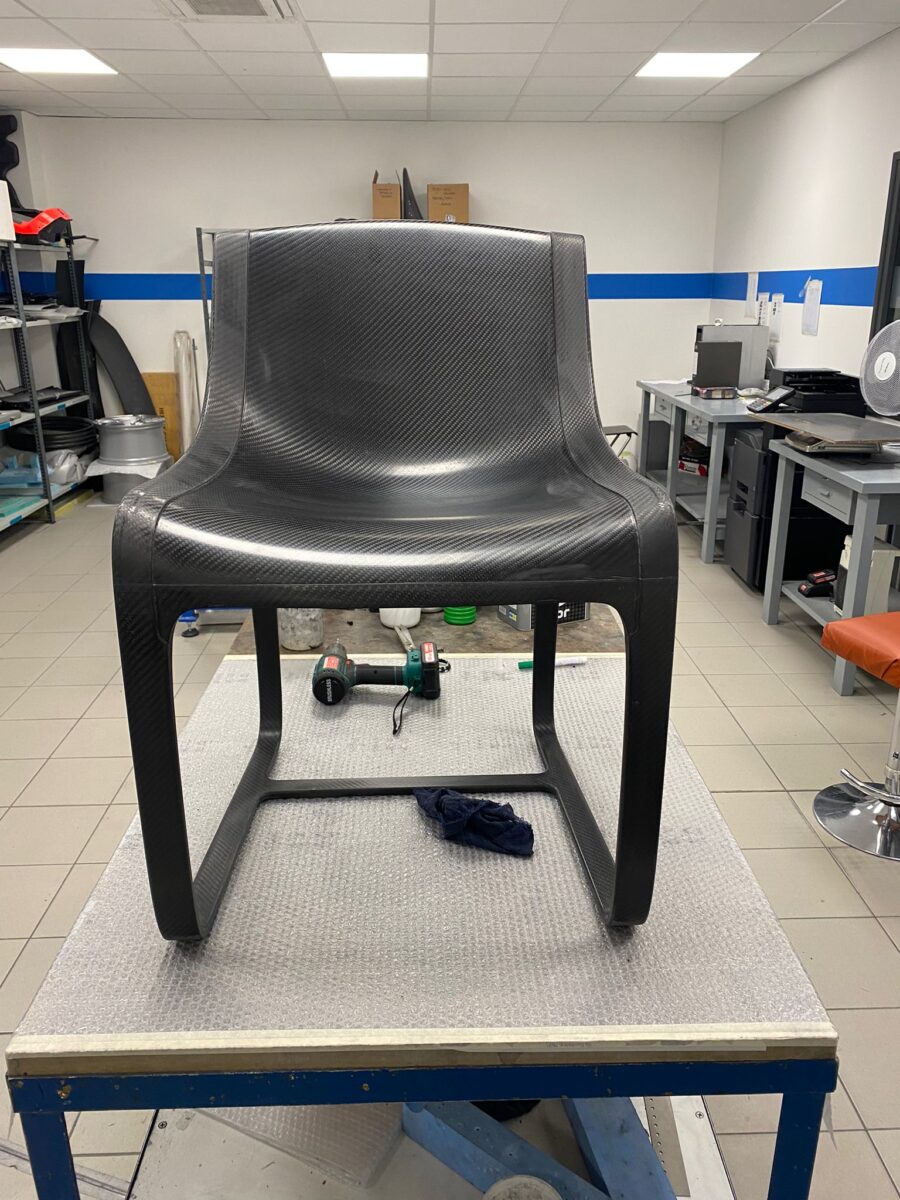
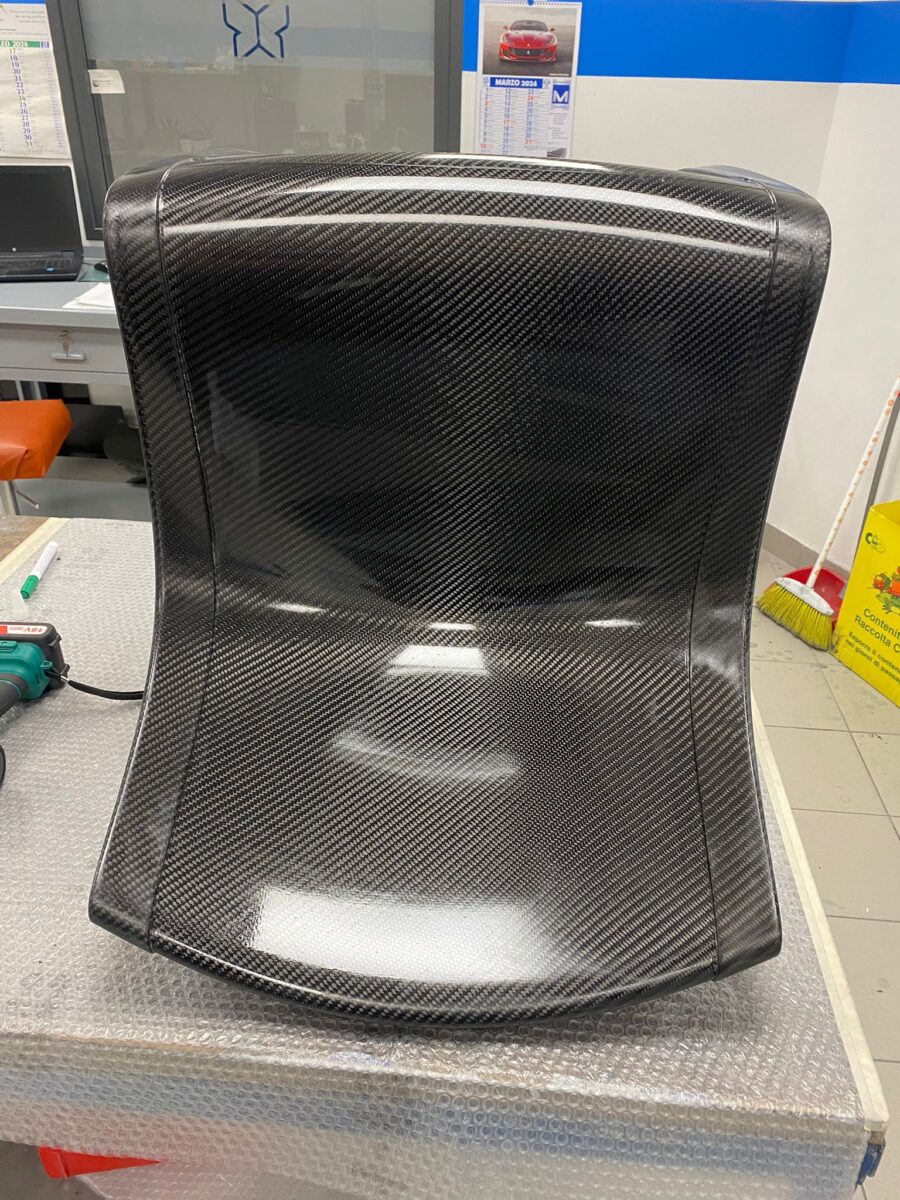
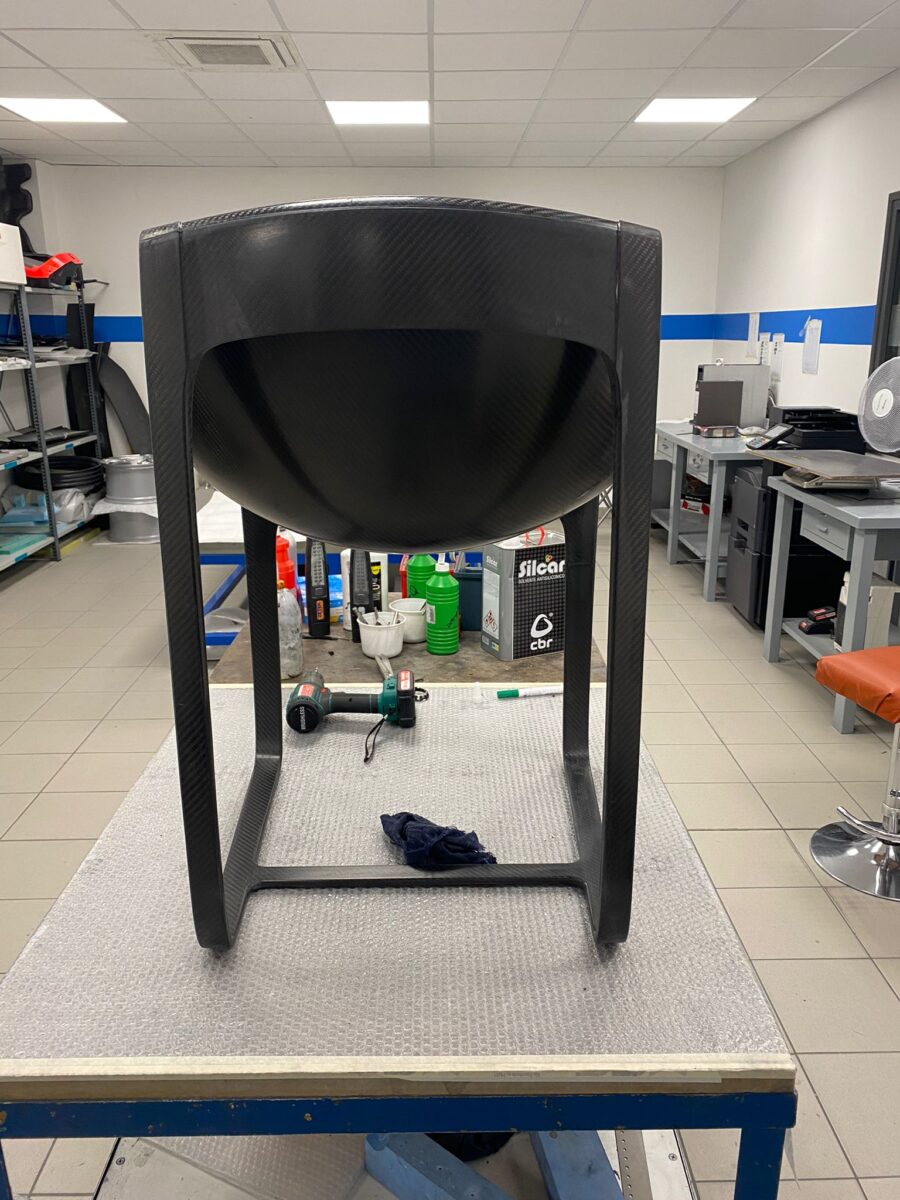
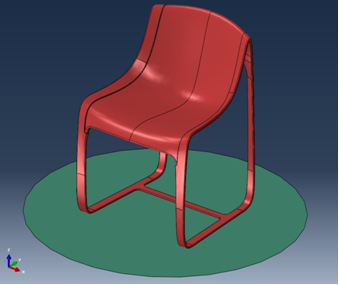
Even a simple and common object like a chair (Figure 1) requires a careful design evaluation to guarantee its integrity in the all-days usage. It has to be safe, but it also has to be light to allow for easy movements from one place to another and while taking a seat.
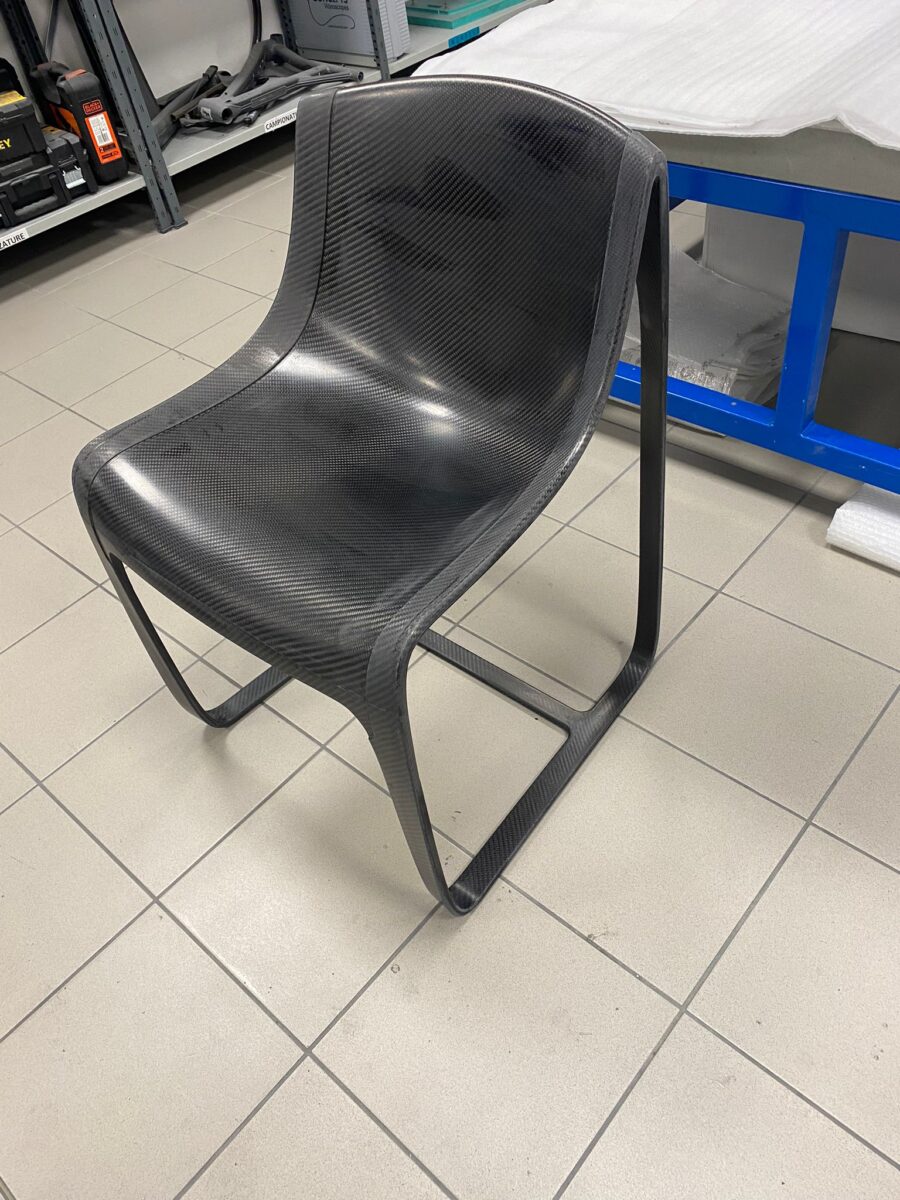
Figure 1 – Carbon Fiber chair model laying on the floor
The aim of the Customer was to build a chair in composite material that have to withstand the Normative Rules of integrity and safety. The Normative foresees that the chair has not to overturn when a person is seated on it, it has to be stiff enough and highly robust to support a person weight and, last but not least, has to be as light as possible.
CG CAE was chosen for our extensive experience with composite materials and their application in Finite Element Modeling, for our in-depth knowledge of advanced modeling techniques, and for the speed with which we are able to deliver high-quality results to our Clients.
Considering the request of the Customer the chair was modeled with shell elements (the best candidates to simulate Composite Materials, provided that parts are thin enough). The material was chosen among the possible alternatives proposed by the Customer and the final Lay-Up was optimized with some analysis iterations to guarantee strength, stiffness, lightness and stability.
The studied load conditions were the application of the person weight and the simulation of the overturning to check which force value would cause it.
Stability analyses (both linear buckling and post-buckling) were also performed for the sake of the safest possible configuration.
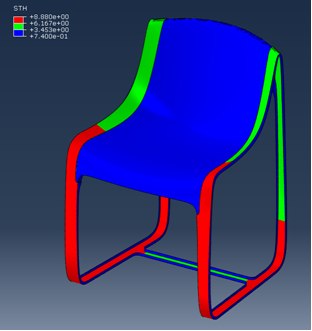
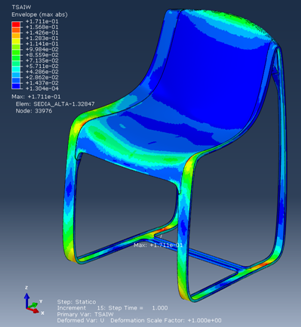
Figure 2 shows the optimized thickness of the final Lay-Up, while Figure 3 shows the Tsai-Wu Failure Index for one of the load cases under investigation
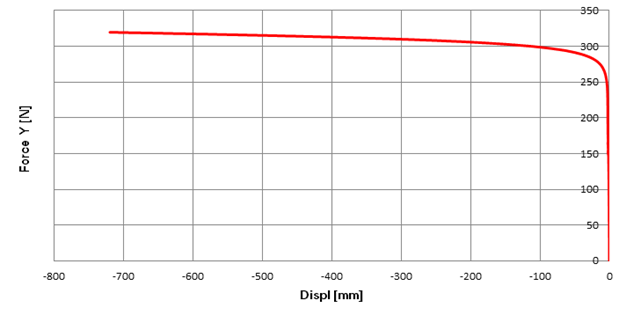
The graph in Figure 4 shows the force vs. displacement evaluated during the simulation of the overturn of the seat and the animation in Figure 5 shows the behavior while simulating the overturn.
Figure 5
Based on the simulation results some prototypes were produced and tested with a very good correlation between test and numerical model.
Figure 6 shows the first sample realized following CG CAE’s indications.
Figure 6
This site uses technical and profiling cookies.
You can accept, reject, or customize the cookies by clicking the desired buttons.
By closing this notice, you will continue without accepting.
By accepting, you acknowledge that your personal data may be collected for the purpose of personalizing and measuring the effectiveness of advertising.
Privacy Settings
This website uses cookies to improve your experience while you navigate through the website.
View the Cookie Policy View the Personal Data Policy
Google Analytics is a web analytics service provided by Google Ireland Limited ("Google"). Google uses the collected personal data to track and examine the usage of this website, compile reports on its activities, and share them with other Google services. Google may use your personal data to contextualize and personalize the ads of its advertising network. This integration of Google Analytics anonymizes your IP address. The data sent is collected for the purposes of personalizing the experience and statistical tracking. You can find more information on the "More information on Google's handling of personal information" page.
Place of processing: Ireland - Privacy Policy
Additional consents: